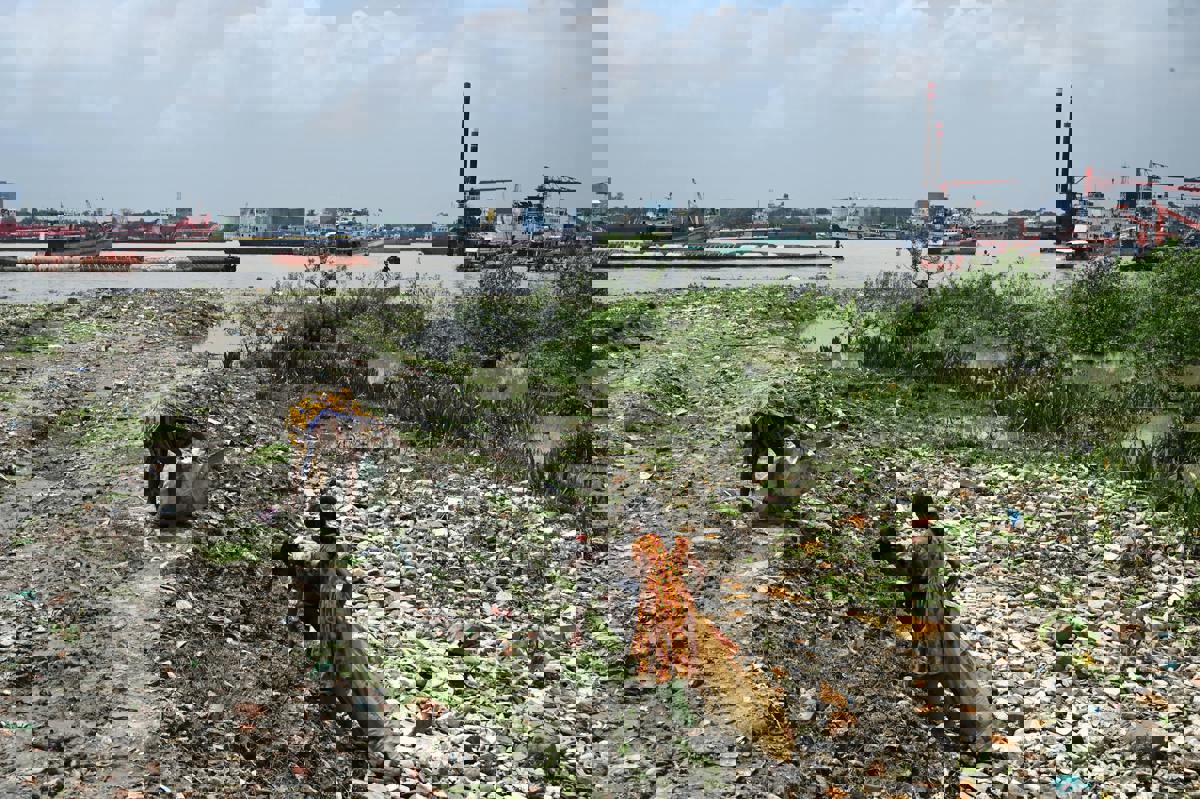
A new waste management initiative is taking root in cities across Canada, promising significant reductions in landfill waste through innovative recycling and composting methods. The program is a collaborative effort between environmental experts and municipal officials, and it is designed to change the way residents handle everyday waste. This fresh approach aims not only to divert more waste from landfills but also to inspire a long-term cultural shift toward sustainability.
Environmental consultant Dr. Angela Morin, one of the project’s leaders, explained that the initiative arose from mounting concerns over the growing volume of municipal solid waste. "Our landfills have been filling up at an alarming rate," Morin said. "We realized we needed fresh, science-based solutions that could readily be implemented by households and businesses alike." The project began with a series of extensive research studies across multiple neighborhoods.
The city’s involvement includes the distribution of new recycling and compost bins tailored for easy use by residents of all ages. These bins feature clear labels and user-friendly instructions, minimizing confusion about what materials can and cannot be recycled or composted. Officials hope that this clarity will help mitigate contamination—a problem that has previously hindered the effectiveness of recycling programs.
Pilot neighborhoods were chosen based on waste generation statistics, household demographics, and their proximity to landfill sites. The project team conducted baseline waste audits to assess the current percentage of materials being properly diverted from the landfill. Data showed that up to 70 percent of curbside waste could potentially be composted or recycled, revealing a significant opportunity for improvement.
Educational campaigns form a cornerstone of the project, with organizers hosting workshops, school presentations, and community information sessions. These educational efforts are tailored for different age groups and cultural communities to ensure inclusivity. According to organizers, more than 2,000 residents attended the first wave of workshops, and early feedback suggests increasing understanding and enthusiasm for sustainable waste management.
Partnerships with schools have proven uniquely effective in promoting sustainable habits among young Canadians. Teachers are incorporating lessons about recycling and composting into their curriculum, encouraging students to share newfound knowledge with their families. "Our students are incredibly receptive and excited to make a difference," said elementary teacher Sabrina Lin. "They’ve become our project ambassadors at home and in the neighborhood."
In addition to grassroots education, the project leverages technology to streamline waste tracking and collection. Residents can use a dedicated mobile app to check pick-up schedules, receive sorting tips, and track their household’s diversion progress in real time. The app also allows residents to report issues such as missed collections or overflowing bins, ensuring timely responses from the sanitation department.
Commercial businesses are also being asked to participate, with particular focus on restaurants and retail outlets that generate large volumes of organic and packaging waste. The city has introduced incentives including reduced waste fees and recognition programs for businesses demonstrating leadership in sustainable waste practices. Early participants have contributed valuable insights to help fine-tune the program before broader rollout.
Waste management experts highlight the environmental benefits already observed in pilot zones. Initial reports suggest landfill-bound waste has declined by nearly 30 percent in participating neighborhoods within the first three months. Composting rates have risen sharply, leading to the production of high-quality compost destined for local parks, gardens, and even urban agriculture projects. These successes are viewed as promising indicators for city-wide expansion.
Despite early wins, organizers acknowledge several persistent challenges. Some residents express concerns about odors from compost bins or the perceived inconvenience of separating waste streams. The project addresses these obstacles through ongoing communication, troubleshooting, and the introduction of odor-control strategies such as ventilated containers and biodegradable liners.
The economic impact of the project is also under review. City officials anticipate cost savings over time through reduced landfill fees and the sale of compost, but initial investments have been significant. The city council is monitoring progress closely to ensure the program achieves its long-term sustainability and value-for-money objectives. Transparent quarterly reports are being shared to keep the community informed and engaged.
Feedback from participants is essential to the project’s evolution. Surveys, interviews, and public forums allow residents to voice their experiences and suggestions, ensuring the initiative remains flexible and responsive. Organizers emphasize that the project’s success depends on continuous community engagement, adaptation, and a willingness to learn from both successes and setbacks along the way.
Looking forward, project leaders plan to expand the initiative gradually, with the next phase set to include multifamily residential buildings and industrial sites. They remain optimistic that, with persistent education and the ongoing support of local partners, the program can fundamentally reshape waste management habits. As expert Dr. Morin concluded, “Real environmental change begins at home, but its impact can ripple throughout an entire community for generations to come.”