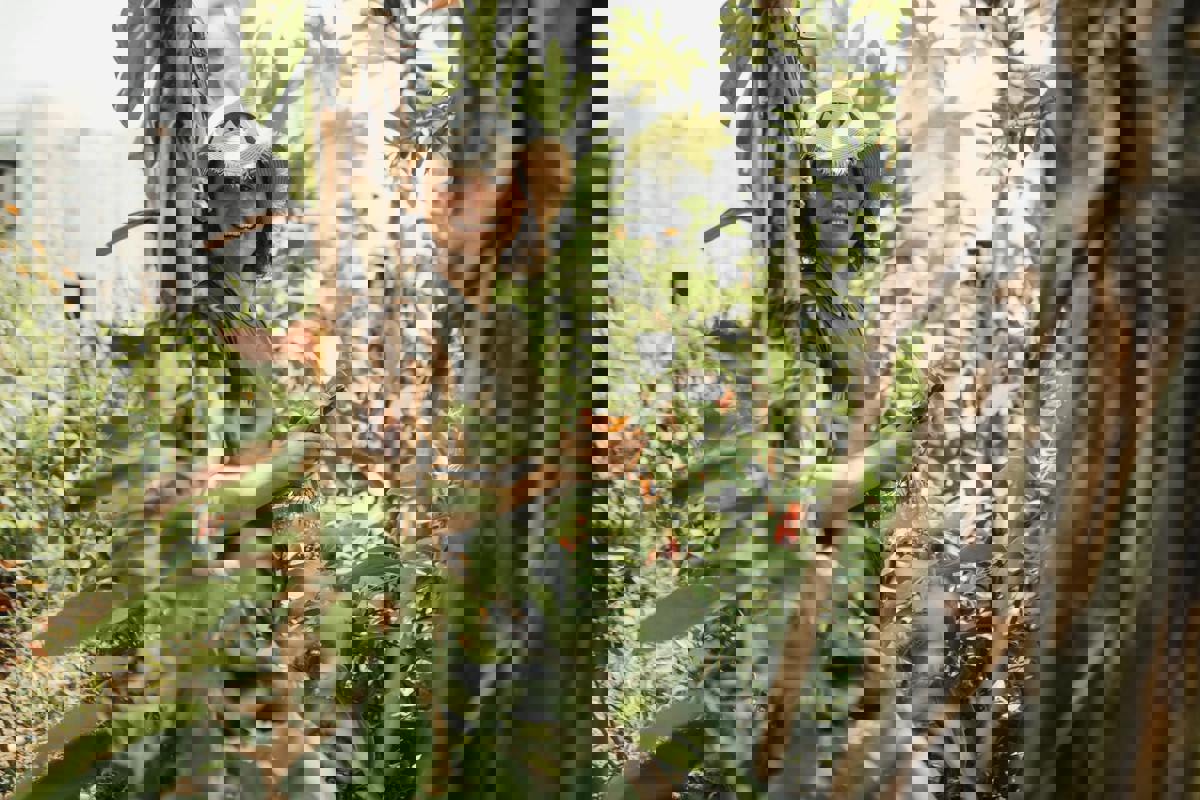
Across Canadian cities, a surge in urban gardening is transforming concrete landscapes into verdant retreats. As more residents contend with limited outdoor space, interest in cultivating rooftop plots, balcony gardens, and community green areas has flourished. This movement harnesses innovative techniques to make the most of even modest square footage, giving both homeowners and renters opportunities to connect with nature and enhance their quality of life in bustling urban environments.
With increasing urban density, access to natural spaces and traditional backyards is diminishing, prompting new approaches to horticulture. Vertical gardening, utilizing wall-mounted planters and hanging baskets, is on the rise. Container gardening—where crops and flowers are grown in removable vessels—has also gained immense popularity. These methods allow individuals to raise herbs, vegetables, and ornamental plants in spaces once considered unsuitable for cultivation.
Experts highlight that urban gardening serves more than just aesthetic purposes. "Many city dwellers are now recognizing the physical and psychological health benefits of tending to plants," notes urban agriculture specialist Dr. Rachel Chen. Studies suggest that gardening can reduce stress, promote physical activity, and even improve air quality, making a compelling case for integrating greenery into the urban fabric.
The social dimension of urban gardening should not be underestimated. Community gardens, where residents collectively manage a shared plot, have sprung up in neighborhoods across Canadian cities. These spaces foster social connections among diverse groups, offer educational opportunities, and provide access to fresh, locally grown produce for those who may lack private gardening space or resources.
Financial incentives for urban gardening are apparent as well. By growing their own fruits, vegetables, and herbs, many residents are able to reduce grocery bills, particularly in the face of rising food costs. According to a 2023 Agriculture Canada report, households participating in gardening initiatives reported an average savings of $150 to $300 during a single growing season, underscoring the economic impact of this green movement.
Families with children also embrace urban gardening as a way to teach responsibility and environmental stewardship. “Our balcony garden is a learning lab for our kids,” says Marissa LeClair, a mother of two in Toronto. “They watch seeds grow, learn about pollinators, and understand where food comes from.” Such hands-on experiences have been linked to healthier eating habits and increased knowledge about sustainability among young Canadians.
Despite its many benefits, urban gardening presents challenges that enthusiasts must navigate. Limited sunlight, exposure to wind, and building regulations can affect what and where residents are able to plant. Some municipalities impose restrictions on rooftop gardens or on the types of structures allowed on balconies. Gardeners overcome these hurdles by selecting hardier plant varieties and employing clever design solutions to maximize their available space.
Technology plays a growing role in supporting urban gardening efforts. Innovative apps provide planting tips tailored to specific microclimates, and social media groups enable neighbors to share resources, seeds, and advice. Smart irrigation systems and compact indoor grow lights are further democratizing access, allowing even those without outdoor space to maintain thriving container gardens year-round within their homes.
Looking ahead, urban gardening is poised to continue its upward trajectory, fueled by concerns over climate resilience, food security, and community wellness. Local governments and nonprofit organizations are amplifying their support, offering grants and educational workshops for aspiring gardeners. As residents transform unused corners into miniature green oases, the cityscape itself evolves—reminding all of the unexpected possibilities for nature to flourish even in the heart of urban life.